The journal index.
Recipes, methods and small improvements for your home tea ritual.
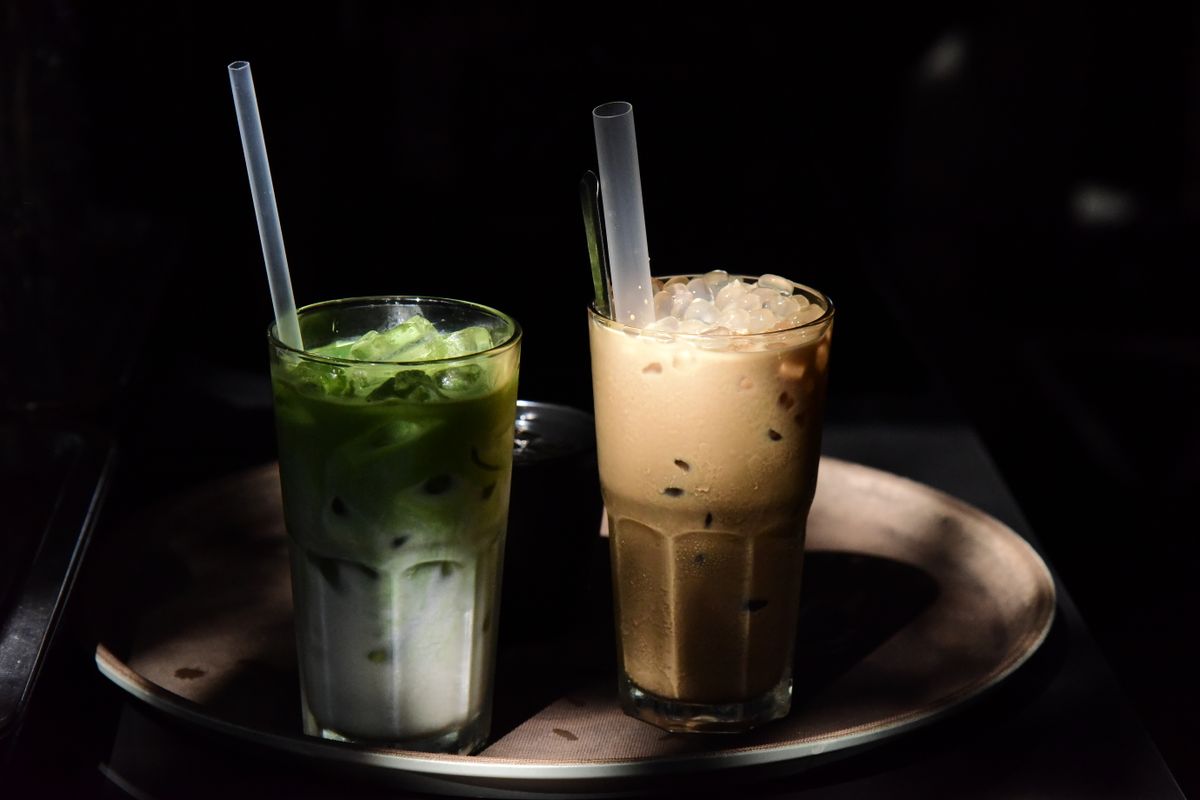
Your first milk tea, without the guesswork
A small, measured starting point for finding your own balance.
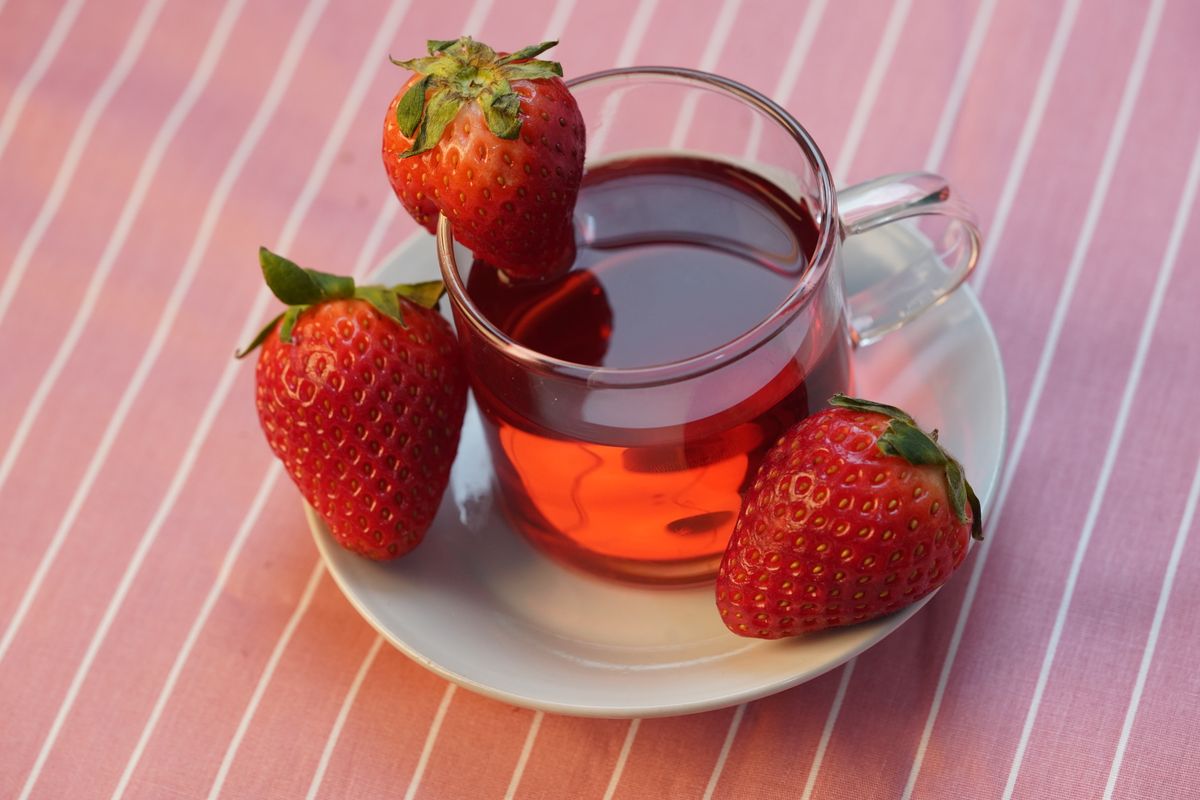
A strawberry tea that still tastes like tea
Keep fruit, sweetness and dilution in separate steps.
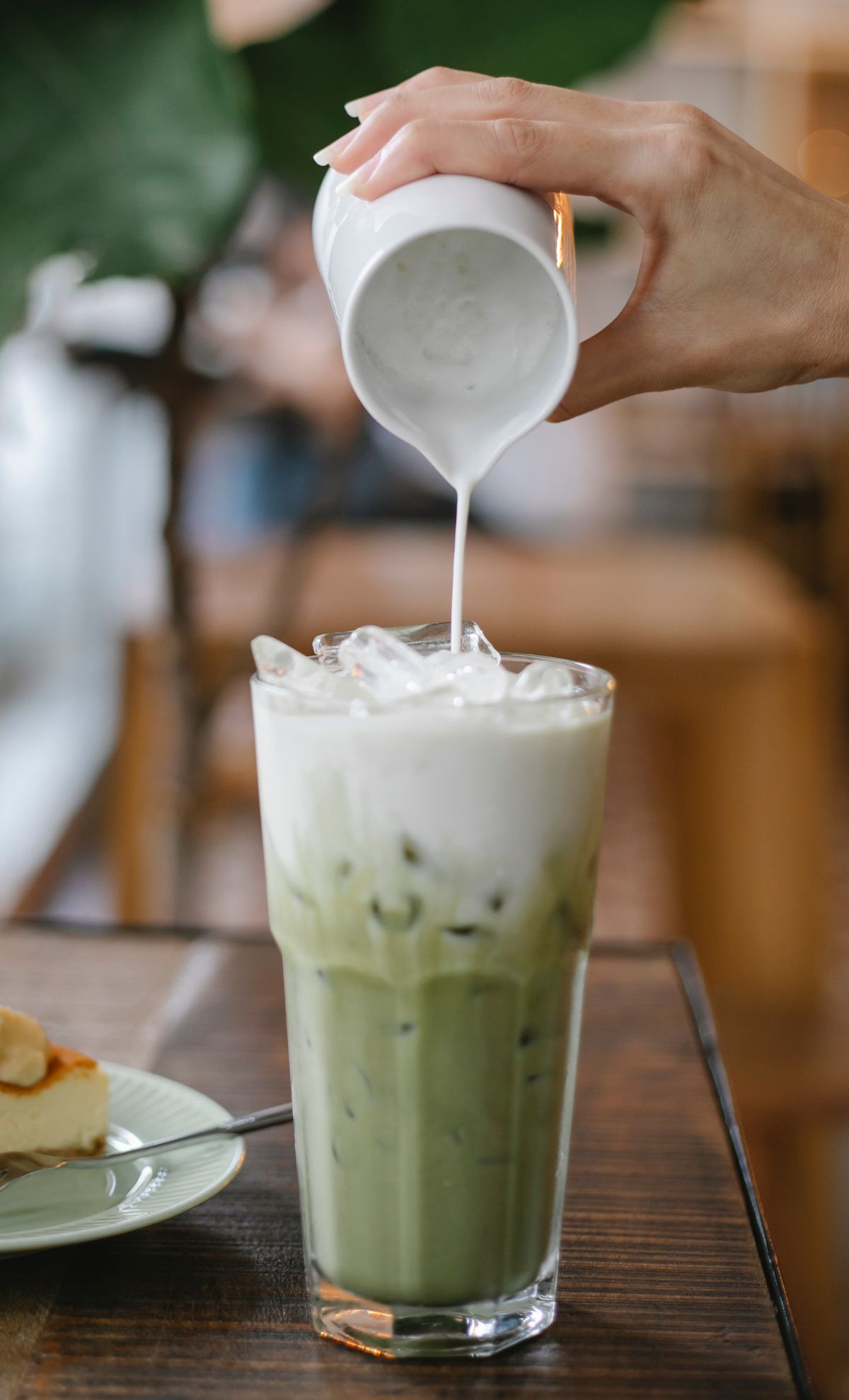
Matcha and oat milk: a smoother start
A paste-first approach to fewer dry clumps.
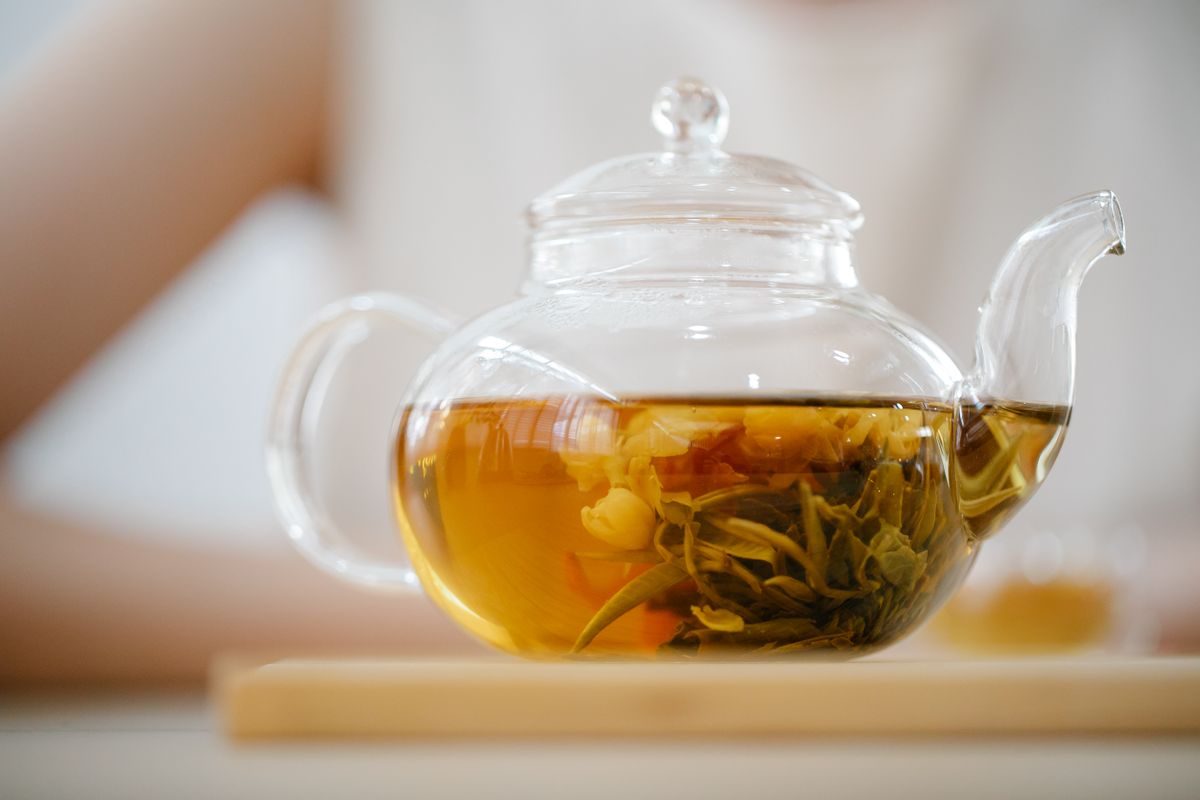
Stronger tea does not have to mean a longer steep
Understand dose, time and the water you add later.
Read the pearl package before boiling water
A simple checklist for products that cook very differently.
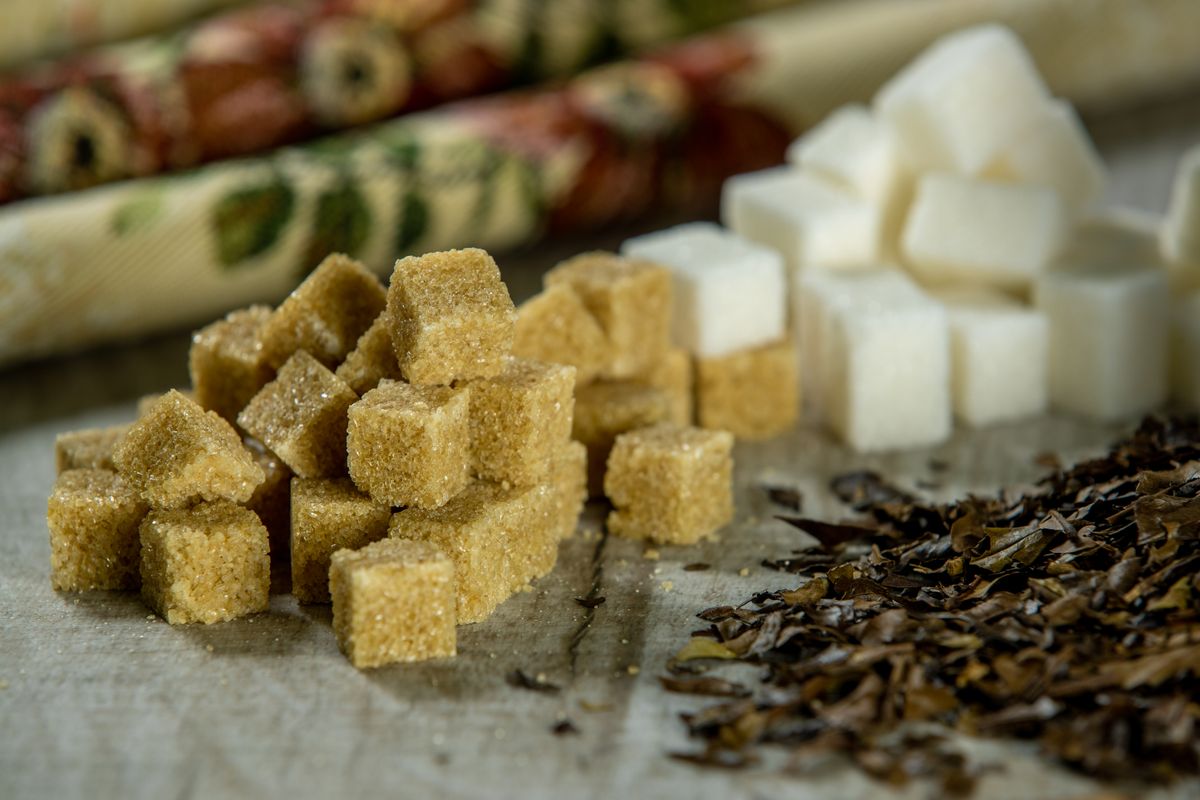
Small-batch syrup, measured by weight
Make sweetness easier to repeat from one cup to the next.
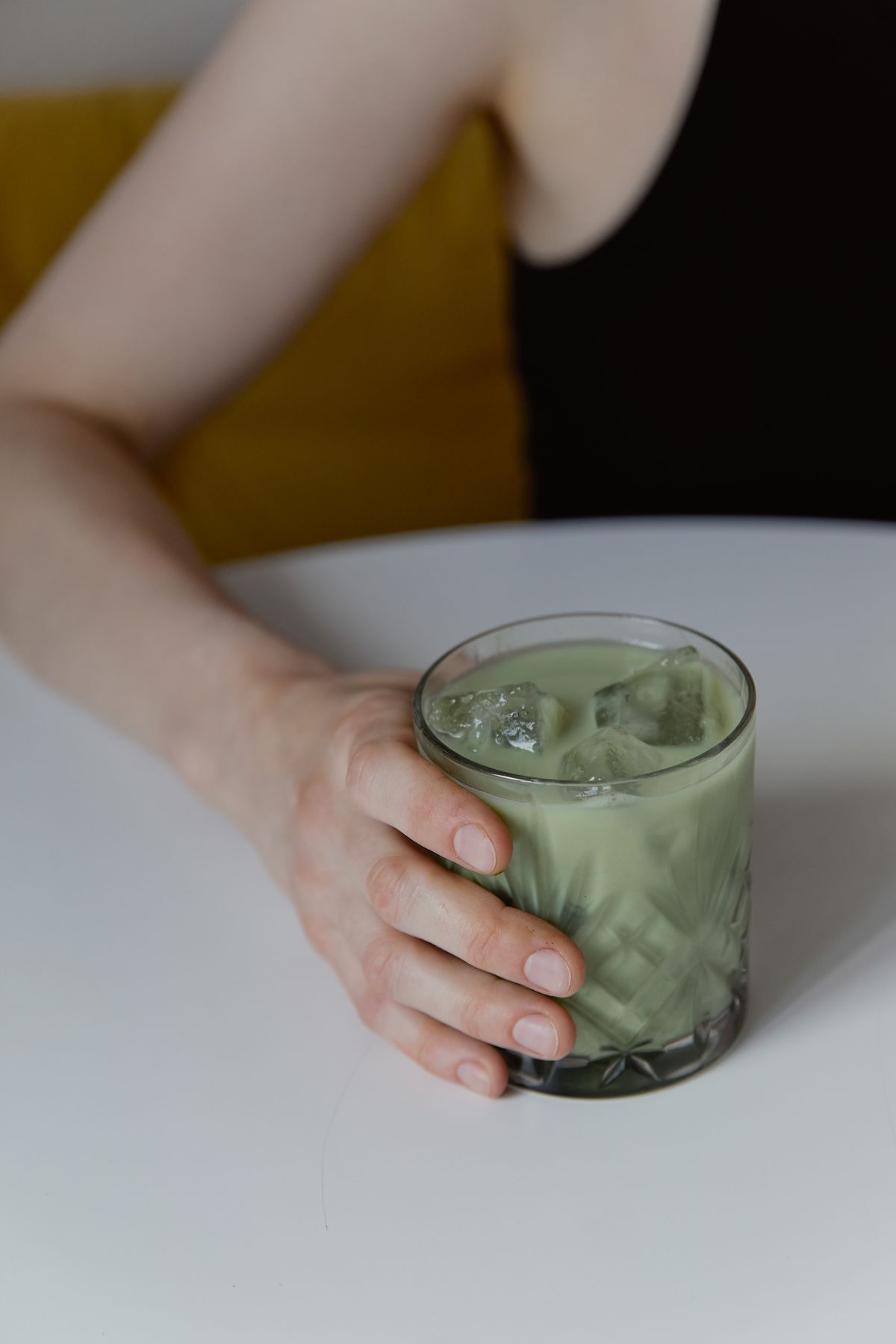
Why your iced tea tastes watery
Find the extra water before adding extra ingredients.
A smaller, more useful home tea kit
Start with tools that help you measure, strain and repeat.
Brown sugar milk tea, one sweet layer at a time
Separate the pearl coating from the sweetness of the whole glass.
Iced milk tea without pearls: focus on the tea
A simpler assembly for comparing milk, sweetness and dilution.
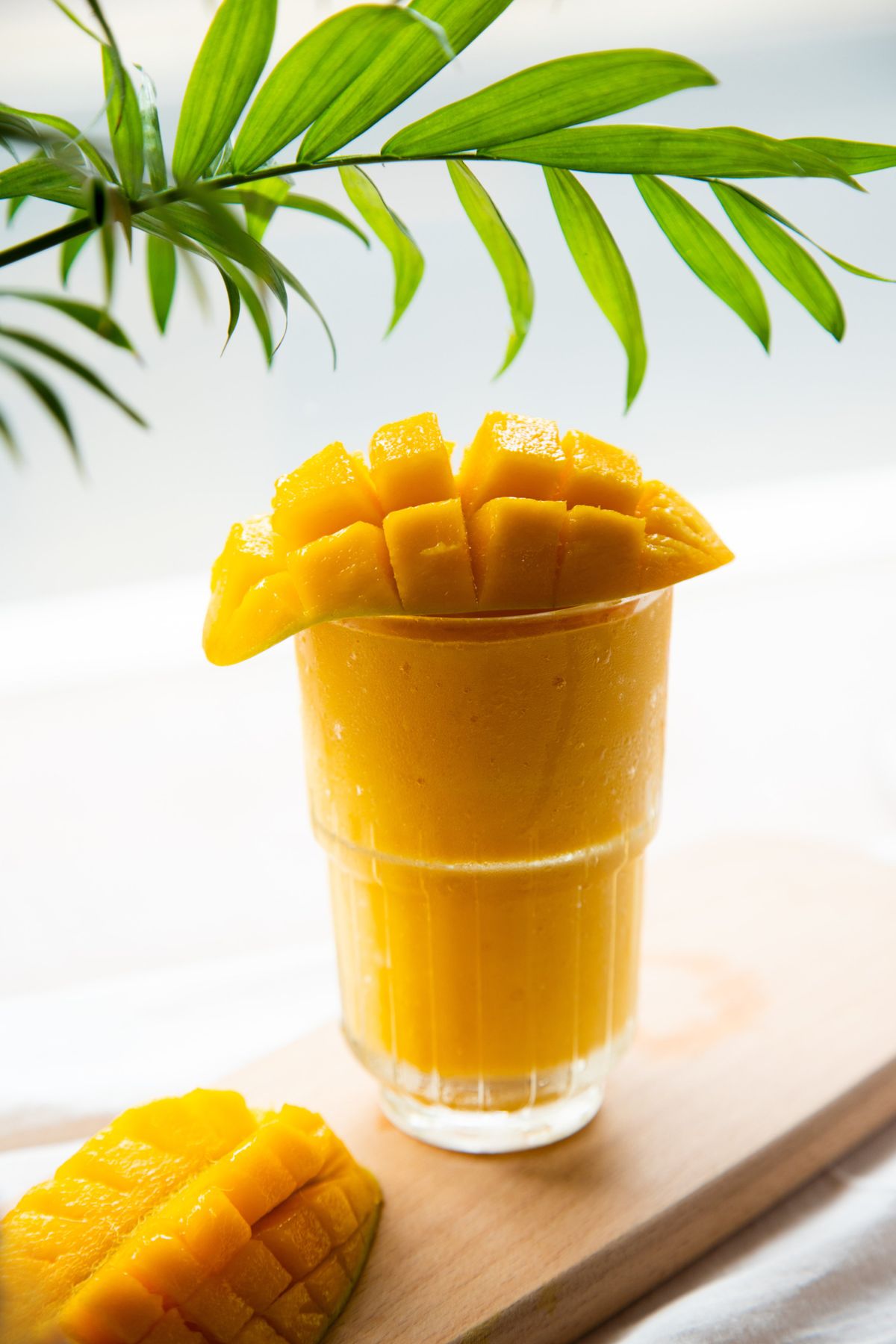
Mango green tea with a clear tea finish
Make the fruit base separately, then control sweetness and dilution.
A small mango puree for tea drinks
Measure usable fruit and keep texture separate from sweetness.
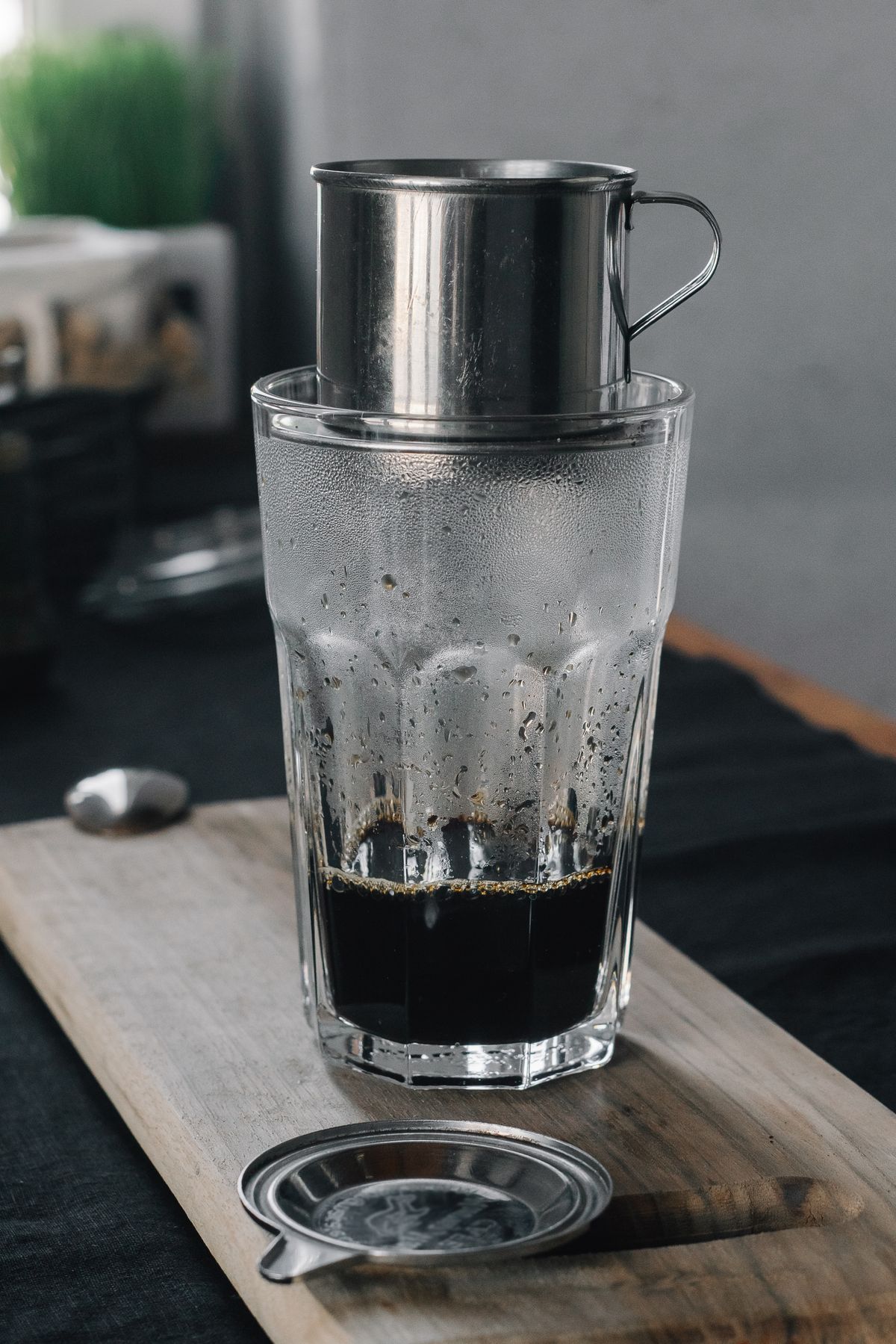
Coffee boba with a measured phin base
Build the coffee first, then decide what milk and pearls should add.
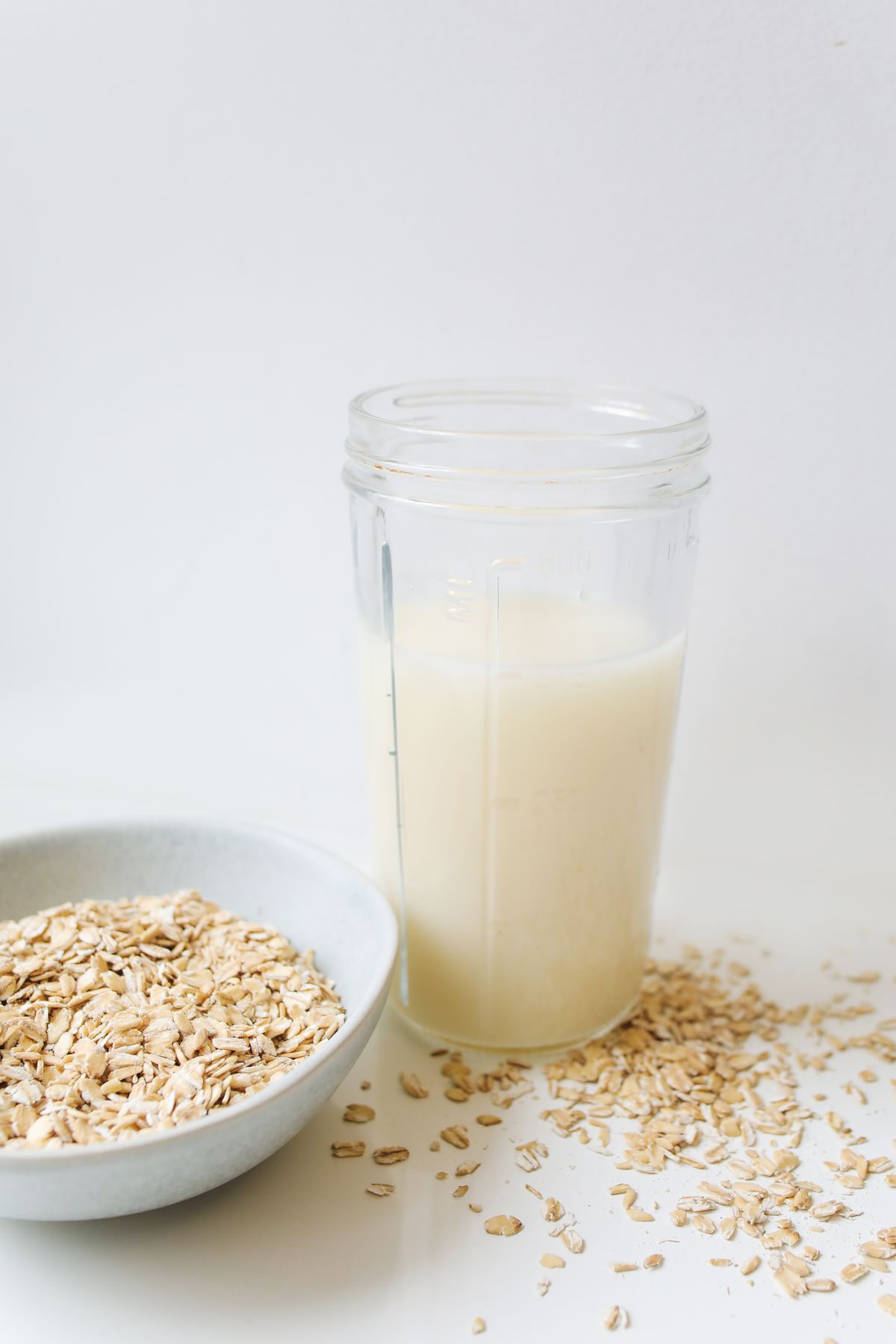
Choose a plant drink by its label and its role
Compare sweetness and texture without assuming every carton is equivalent.
Before making tapioca pearls from scratch
Understand the dough workflow and choose one complete recipe to follow.
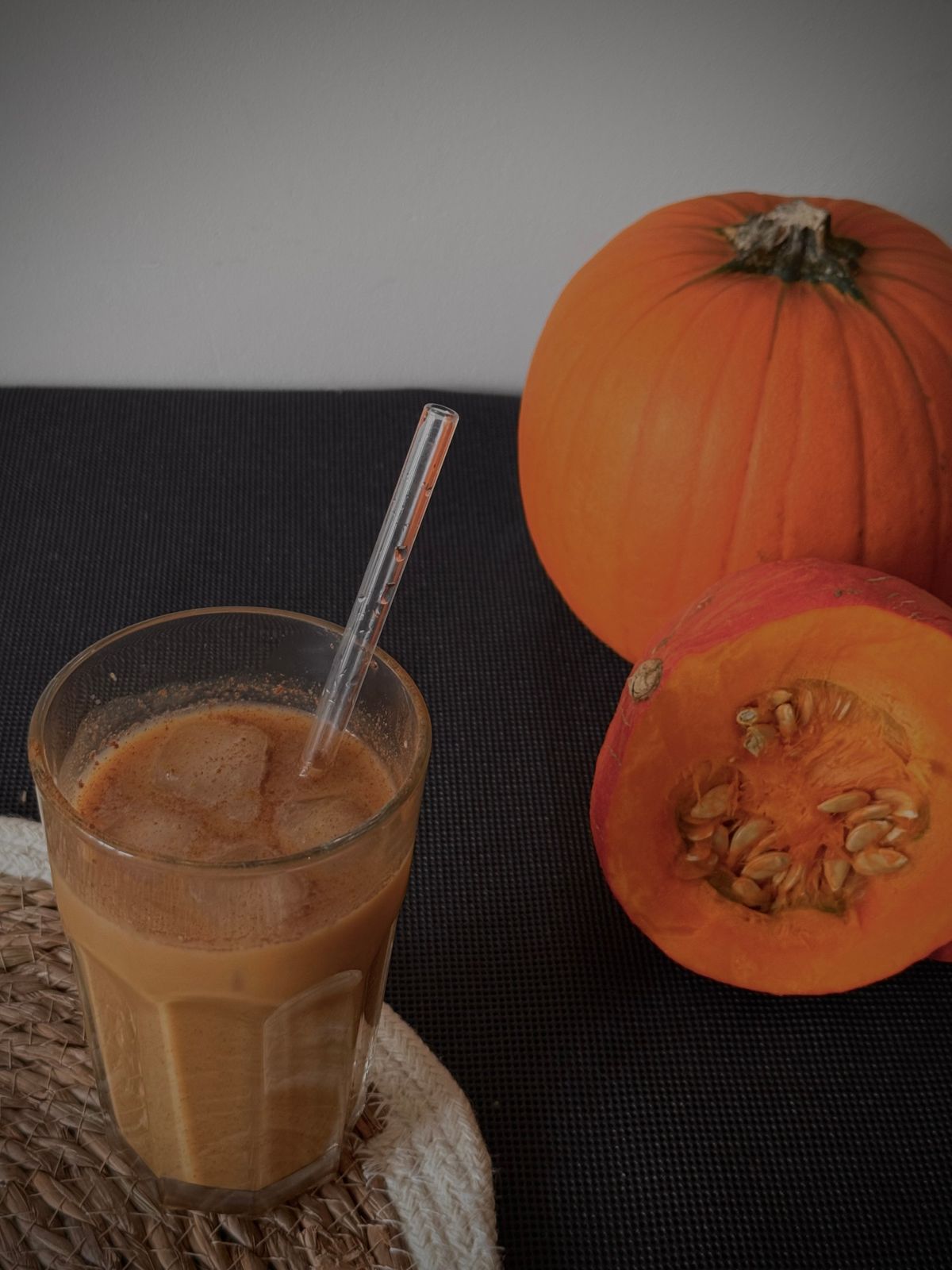
Pumpkin-spice milk tea without a gritty finish
Control puree, spice and sweetness as separate ingredients.
No notes match. Try tea, matcha or pearls.