Iced milk tea without pearls: focus on the tea
A simpler assembly for comparing milk, sweetness and dilution.
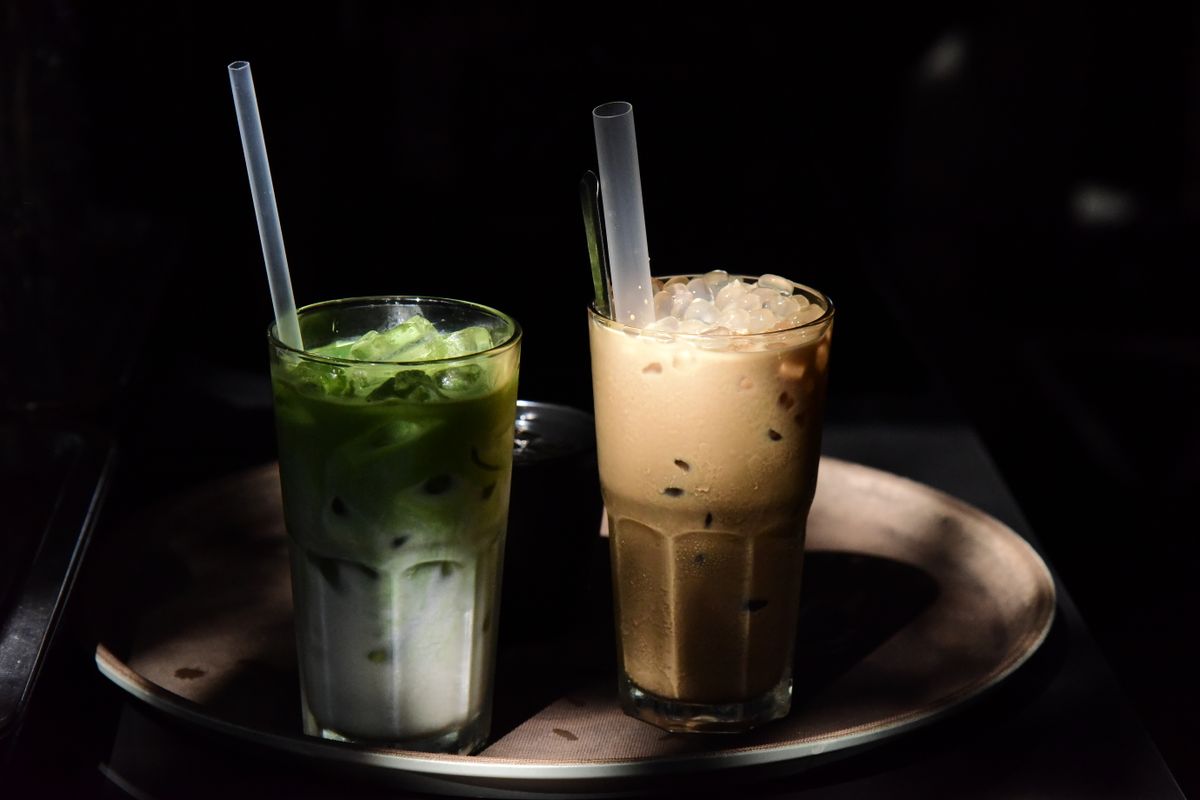
Illustrative stock photograph · Sóc Năng Động / Pexels · Photo credits
From ingredients to your next cup.
Follow the sequence. Select a step to read its full instructions.
- 01Measure150 ml tea · 100 ml milk · syrup · ice
- 02BrewFollow the tea label and strain completely
- 03CoolKeep unmeasured meltwater out of the base
- 04MixTea + milk; taste before adding all the syrup
- 05CompareChange milk ratio or sweetness one at a time
All sections in this guide
Choose a small starting formula
For one proposed glass, use 150 ml cooled tea, 100 ml cold milk, 5–10 ml simple syrup and 60 g ice. Omitting pearls makes it easier to isolate the liquid balance and removes a separate cooking task. It does not make this a kitchen-tested recipe or establish a nutritional benefit.
Select a familiar tea, keep its package available and check the milk ingredients before serving anyone with an allergy.
Gather only the tools you need
Use a heat-safe brewing vessel, a strainer if required, a timer, a measuring jug, a clean spoon and a suitable drinking glass. Measure brewing water separately from the final cooled tea volume. Leaves retain some water, so a starting water measurement and a poured serving volume are not always identical.
A clear workspace lets you remove the tea on time rather than searching for the strainer while it continues steeping.
Brew according to the actual package
Follow the manufacturer’s dose, temperature and timing. Remove the bag or strain the leaves fully when brewing is complete. Let a small spoonful cool before tasting.
If the base is unpleasantly harsh, review its preparation rather than planning to hide it with milk and sugar. Twinings guidance is a useful example for its products, not a universal rule for every tea or flavored blend.
Cool before introducing the ice
Cool the brewed tea in a clean covered vessel. An external ice bath can cool the vessel without adding unmeasured water to the tea; keep bath water outside it. Do not transfer hot tea into fragile cold glassware.
Keep milk refrigerated until needed. This method is intended for near-serving preparation, not prolonged room-temperature holding or an unvalidated batch-storage routine.
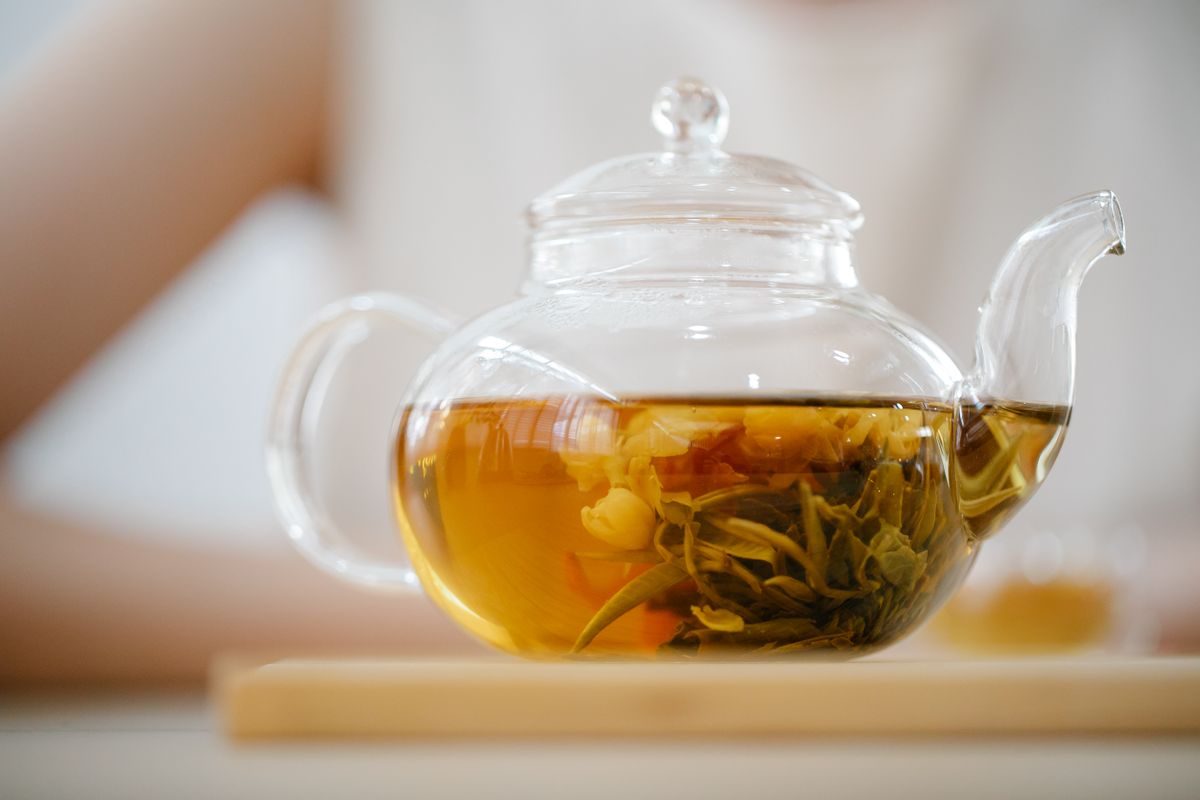
Prepare the tea base on its own before mixing the drink.Illustrative process photograph · Anna Pou / Pexels. Equipment and ingredients may differ from this guide. Source & license
Mix, taste and finish
Combine the measured tea and milk. Start with 5 ml syrup, stir and taste, then add more in small measured increments if wanted. Add the weighed ice after that first comparison.
Stir again before drinking. The lack of pearls means there is no syrup coating contributing hidden sweetness, but sweetened milk alternatives or flavored tea can still change the starting balance.
Try one clear variation
For a more tea-forward version, replace 20 ml milk with 20 ml cooled tea while leaving syrup and ice unchanged. For a less sweet version, reduce syrup before altering the brew. For a lighter texture, compare a different milk product in a separate trial and record its exact name.
Changing several ingredients at once can produce a pleasant drink, but it will not tell you which change made the difference.
Common questions
Can you leave out syrup entirely? Yes, taste the tea-and-milk mixture before deciding whether to add any. Can you prepare several servings? Multiply the assembly amounts while brewing within your vessel’s capacity and the tea maker’s directions. Can you add pearls later? Prepare them as a separate component using their own package and reserve sufficient glass space.
Refrigerate perishable ingredients promptly and assemble near serving rather than relying on this guide for a fixed shelf life.
Sources & scope
These references support the specific preparation and handling topics described above. They do not establish that our proposed combinations have been kitchen-tested. Ingredient labels take priority.
Keep perishable ingredients refrigerated as directed. FDA guidance gives a two-hour room-temperature limit for foods needing refrigeration, or one hour above 90°F, and a refrigerator temperature of 40°F or below. This is not a validated shelf life for an assembled drink.
Keep exploring
Questions or corrections? Email the editor.