Why your iced tea tastes watery
Find the extra water before adding extra ingredients.
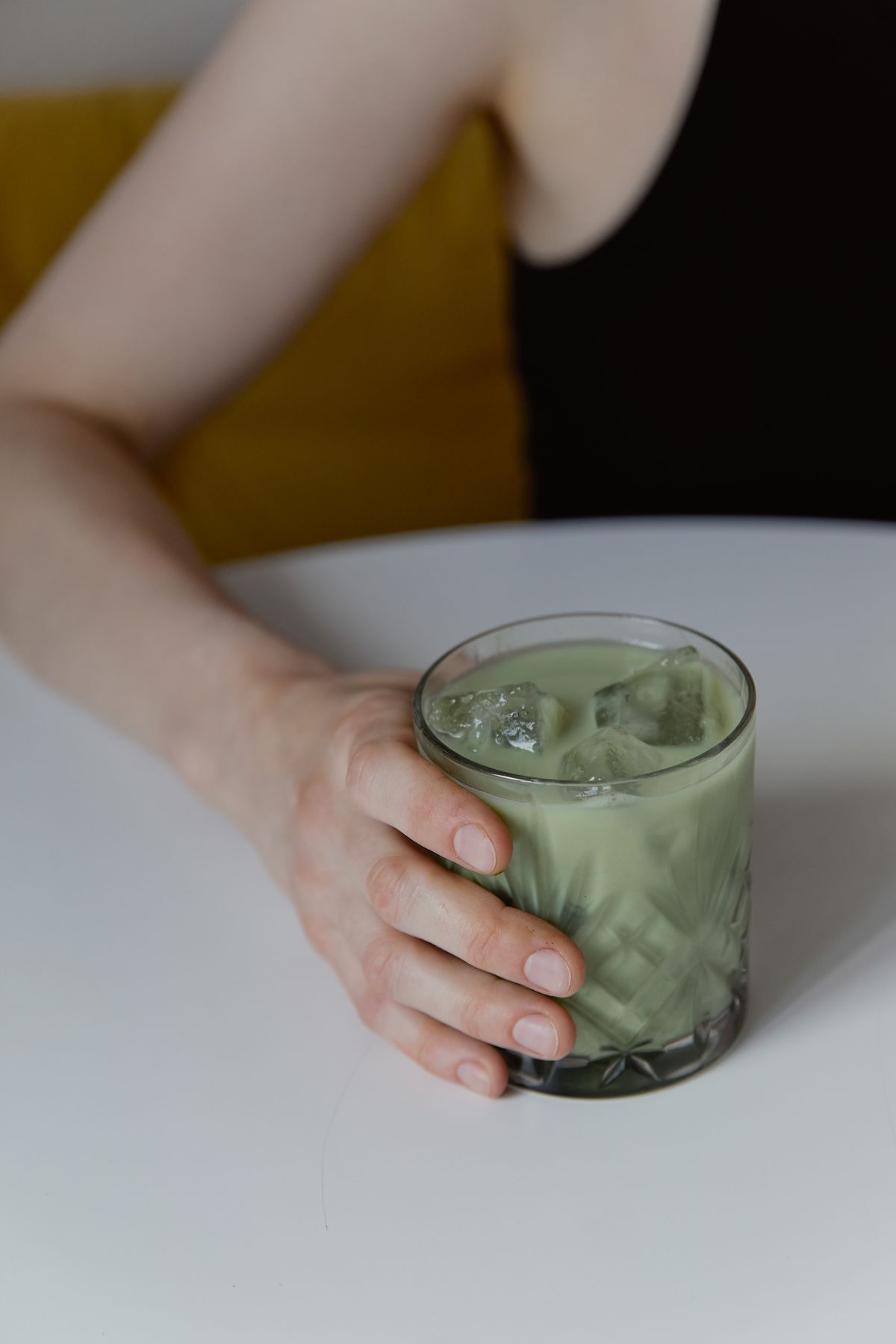
Illustrative stock photograph · Darina Belonogova / Pexels · Photo credits
From ingredients to your next cup.
Follow the sequence. Select a step to read its full instructions.
- 01Trace waterList tea, milk, fruit and melting ice
- 02CoolKeep warm ingredients away from final ice
- 03MeasureUse the same ice mass and shape
- 04CompareKeep every other component unchanged
- 05AdjustChoose the next change from the observed cause
All sections in this guide
Look at temperature first
Warm tea and warm toppings melt ice quickly. Measure the tea before cooling so an ice bath around the vessel does not accidentally become extra water inside it. Keep the cooling vessel clean and avoid leaving perishable components on the counter while waiting.
Measure ice once
Choose an ice mass and record it. Large cubes and small pieces can melt at different rates, so keep the shape consistent during comparisons. Taste at assembly and again after a short interval: a cup that starts balanced but fades suggests dilution is part of the issue.
Check the fruit and milk
Juicy fruit, thawed puree and thin plant drinks add liquid too. Count their volumes in the formula. Straining fruit removes pulp but does not automatically concentrate its flavor.
Avoid increasing syrup simply because the drink is watery; sweetness and tea intensity are different variables.
Run a useful comparison
Make two small cups from the same tea base. Keep milk and syrup identical, and vary only the ice. Note which holds its flavor better.
On another day, compare tea doses with ice fixed. This controlled approach uses fewer ingredients than repeatedly rebuilding the entire recipe.
Find where the extra water entered
List every liquid, including tea, milk, fruit juice, syrup and melted ice. Record whether the tea and toppings were warm. A glass that tastes balanced immediately but weakens while standing suggests a different problem from a weak first sip.
Take notes at assembly and again after a consistent short interval. Do not change leaf dose, syrup and ice all at once. A useful first comparison is the same drink made with fully cooled components and the same weighed ice.
A simple mass example
Water from melting ice becomes part of the drink. If 30 g of ice melts, that contributes roughly 30 ml water for ordinary kitchen planning; it is not an exact measurement of the final drink’s volume. A proposed 250 ml tea-and-milk base with that additional water has a different concentration from the same base before melting.
This arithmetic explains dilution without claiming to predict how quickly your ice melts. Glass temperature, ice shape, room conditions and warm ingredients all affect what happens during serving.
Compare two cooling methods fairly
Prepare one tea batch using its label method and divide it into matching measured portions. Cool one safely in a clean covered vessel using an ice bath around the container; keep bath water out of the tea. Compare it with your usual preparation while holding the final liquid and ice amounts constant.
Do not leave perishable mixtures at room temperature simply to make a long comparison. Use separate clean spoons and note the initial ingredient temperatures if you can measure them reliably. The exercise is a proposed diagnostic, not a published performance test.
What to change next
If cooled ingredients solve the problem, keep that process before increasing tea or sugar. If the first sip is still weak, review the brewed tea volume and milk ratio. If fruit adds much more liquid than expected, measure the strained fruit base rather than assuming a handful is consistent.
Larger ice is not a substitute for measuring the recipe. For a drink you intend to sip slowly, start with a flavor balance you prefer after some dilution, but do not present that personal preference as a universal formula.
A quick troubleshooting reference.
| What you notice | What to check next |
|---|---|
| Weak from the first sip | Review brewed tea volume and the milk ratio. |
| Balanced then fades | Compare fully cooled components and measured ice. |
| Fruit adds extra liquid | Measure puree and account for thawed or blending liquid. |
| Different batches disagree | Hold ice shape, mass and the other ingredients steady. |
Sources & scope
These references support the specific preparation and handling topics described above. They do not establish that our proposed combinations have been kitchen-tested. Ingredient labels take priority.
Keep perishable ingredients refrigerated as directed. FDA guidance gives a two-hour room-temperature limit for foods needing refrigeration, or one hour above 90°F, and a refrigerator temperature of 40°F or below. This is not a validated shelf life for an assembled drink.
Keep exploring
Questions or corrections? Email the editor.