Stronger tea does not have to mean a longer steep
Understand dose, time and the water you add later.
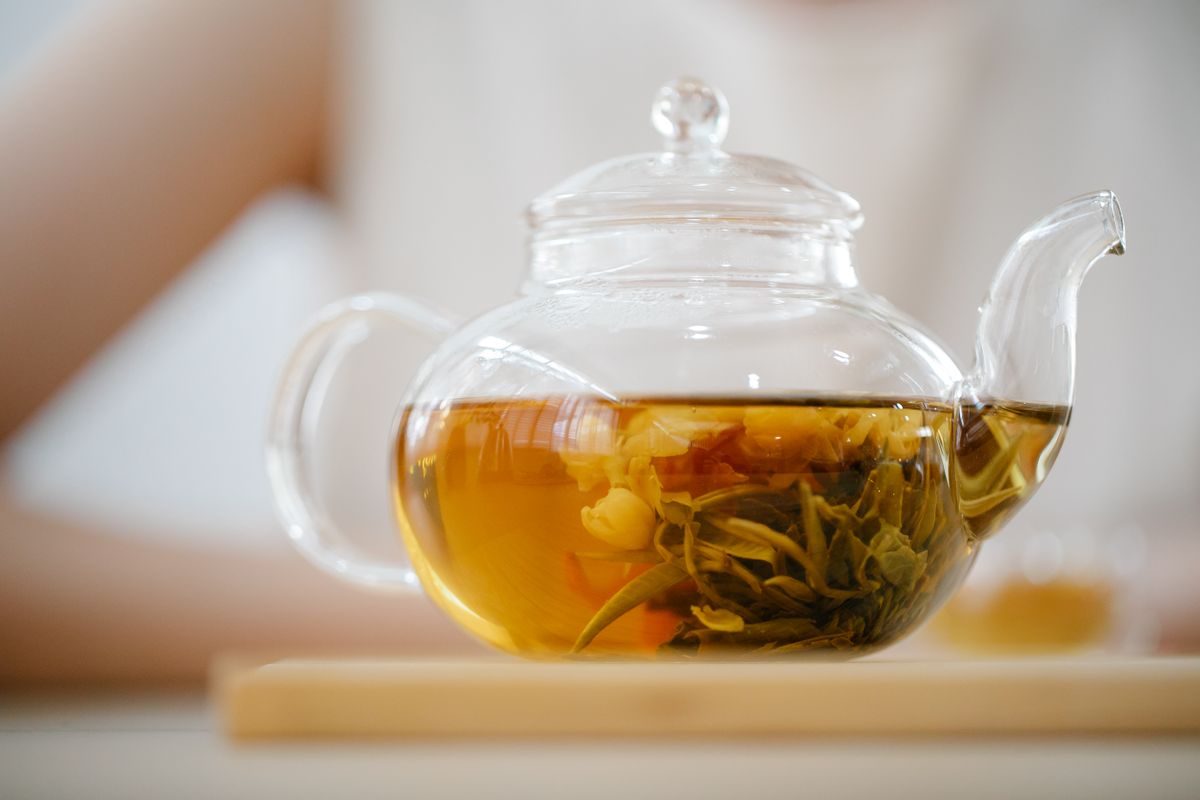
Illustrative stock photograph · Anna Pou / Pexels · Photo credits
From ingredients to your next cup.
Follow the sequence. Select a step to read its full instructions.
- 01RecordTea, water, milk and ice all count
- 02Brew two cupsChange dose while holding method steady
- 03Taste the baseCompare cooled samples before adding milk
- 04Assemble equallyKeep final milk, syrup and ice consistent
- 05Log one changeSave the method and a single next action
All sections in this guide
Map the water in your glass
Tea water, milk and melting ice all affect the final intensity. Record the brewed volume and the ice mass instead of describing a drink as “a strong cup.” If two batches use different ice amounts, comparing their tea doses alone will tell you very little.
Separate dose from time
Start with the tea package’s method. Twinings lists 3–5 minutes for its black teas and 2 minutes for green tea; those are brand guidelines, not rules for every leaf. For milk tea, a higher tea dose in the same measured water is one variable to explore.
Extending time indefinitely may produce a harsher cup.
Prepare the tea base on its own before mixing the drink.Illustrative process photograph · Anna Pou / Pexels. Equipment and ingredients may differ from this guide. Source & license
Taste before milk
Cool a spoonful before tasting. Check whether the tea is weak, harsh or simply different from what you expected. Milk can soften the impression, but it also dilutes the base.
Keep your steeping method fixed when comparing two milk quantities.
Keep a compact brewing log
Record tea identity, mass or bag count, water volume, label temperature, steep duration and cooling method. Add final milk and ice amounts. A useful note says “increase tea dose next time,” rather than changing temperature, time and milk together.
Plan a controlled two-cup brew
Choose one tea and two matching heat-safe vessels. Record the manufacturer’s standard dose and method. Brew the first cup as directed.
For the comparison, change only the measured leaf dose if the product instructions allow that adjustment; keep water volume, temperature and steep duration fixed. Strain both fully so they stop steeping together. Cool small samples to a similar comfortable temperature before tasting.
This is a method for learning your own tea, not a claim that doubling the leaves produces a universally better drink.
Account for final dilution
A 150 ml tea base becomes part of a much larger drink once 100 ml milk and ice are added. The strength you want depends on that final glass, not only the brew in isolation. Measure ice by mass and record whether the tea was chilled before assembly.
Adding hot tea over ice introduces changing meltwater while you stir. A useful comparison keeps the finished recipe stable and changes the tea base deliberately. If you prefer less dilution, first compare fully cooled components rather than guessing a longer steep.
Keep extraction problems separate
Weak, bitter and cloudy are different observations. A weak drink after milk may need a different assembly ratio; a bitter tea before milk calls for a review of its brewing method. Appearance alone is not a reliable safety test or a reason to add more sugar.
Check that leaves have been removed and equipment is clean. Tea varieties and blends have different directions, so do not apply a black-tea temperature to every green tea. Twinings guidance is cited as a brand example, with the actual package taking priority.
A brewing note worth saving
Write a compact line: tea name; bag count or grams; brewing water; temperature guidance; steep time; cooled volume; milk; syrup; ice. Add one observation before milk and one after assembly. Finish with a single next action, such as replacing a small amount of milk with tea or comparing a higher leaf dose.
If you change several variables at once, label it a new recipe instead of treating it as proof about steep time. Repeat the same version before deciding which result you prefer.
Sources & scope
These references support the specific preparation and handling topics described above. They do not establish that our proposed combinations have been kitchen-tested. Ingredient labels take priority.
Keep exploring
Questions or corrections? Email the editor.