A small mango puree for tea drinks
Measure usable fruit and keep texture separate from sweetness.
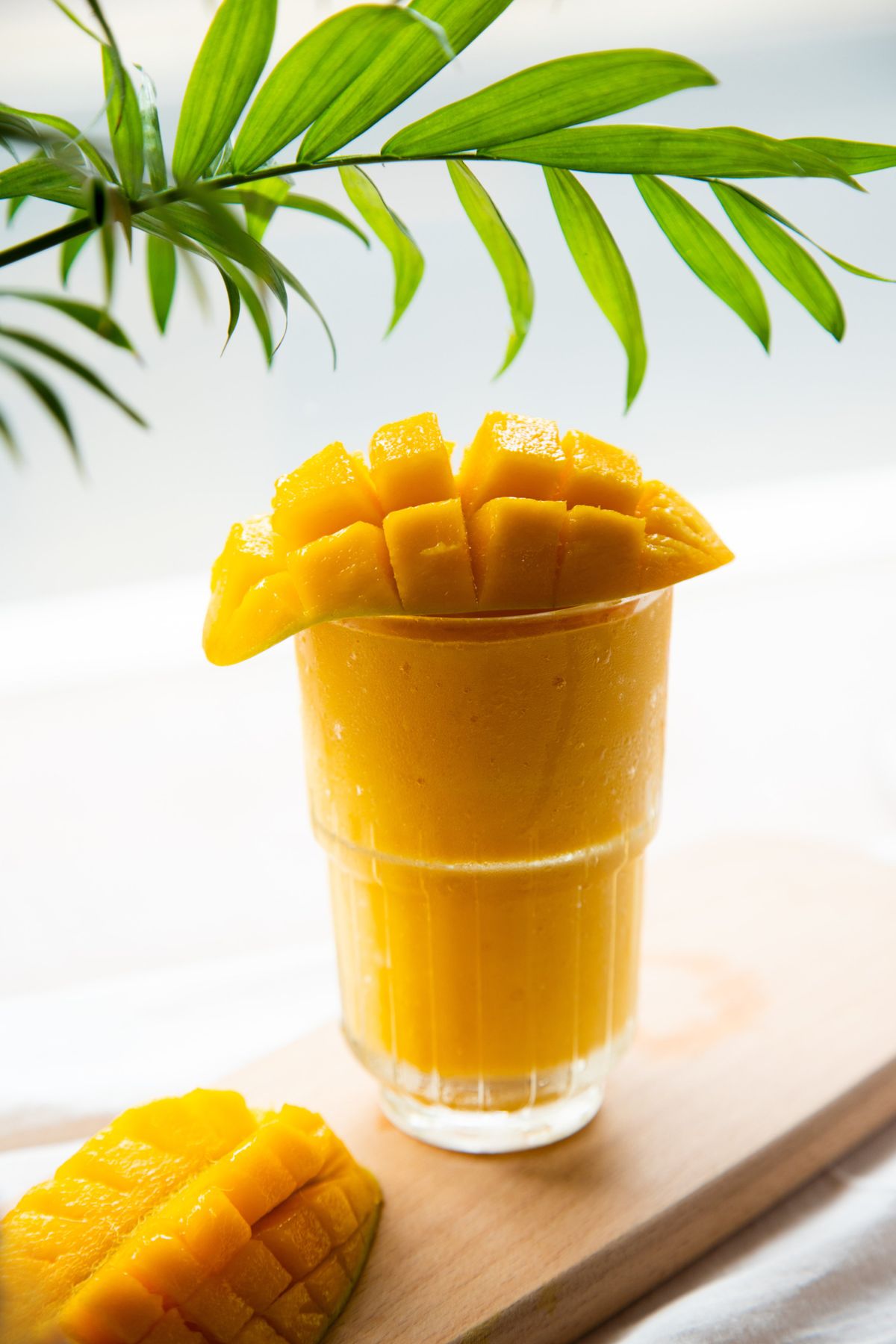
Illustrative stock photograph · Phạm Thành Đạt / Pexels · Photo credits
From ingredients to your next cup.
Follow the sequence. Select a step to read its full instructions.
- 01PlanChoose smooth or pulpy; start with usable fruit
- 02Clean & cutRinse the whole mango and work on a stable board
- 03BlendAvoid adding unrecorded water
- 04Compare textureStrain a small portion and compare equal amounts
- 05PortionLabel, handle promptly and follow storage guidance
All sections in this guide
Choose the job before the fruit
A puree for a straw-friendly tea needs a different texture from a smoothie bowl. Decide whether you want visible pulp or a smoother drink before blending. Start with a small proposed 100 g portion of prepared mango flesh; no sugar or extra water is required at this stage.
This is a preparation framework, not a tested preservation recipe. A clean board, knife, bowl, spoon and small blender or fork are sufficient for the first comparison.
Clean and cut carefully
Wash hands and utensils, then rinse the whole mango under running water before cutting. Remove flesh around the pit with a method appropriate to your knife skills. The National Mango Board’s cutting guide shows the pit orientation and options for separating flesh from skin.
Weigh only the usable flesh. Work on a stable board and do not hold the fruit in your hand while cutting toward your palm.
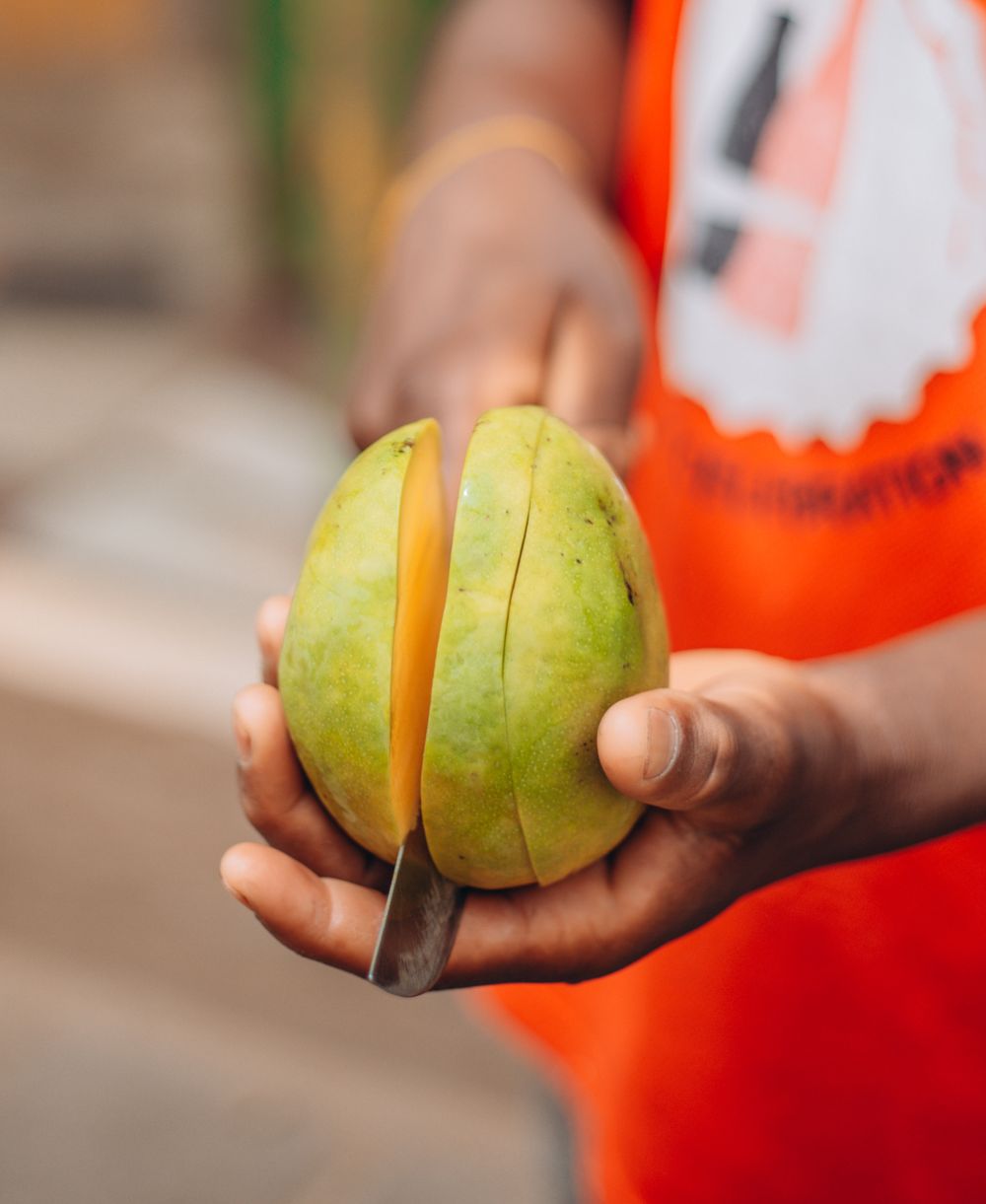
Prepare the fruit before blending or straining the puree.Illustrative process photograph · MD Photography / Pexels. Equipment and ingredients may differ from this guide. Source & license
Blend without losing the measurement
Blend or mash until the fruit has the texture you want. If your blender cannot process the small portion, use a smaller vessel or a fork rather than automatically adding a large volume of water. When tea is used to loosen the puree, record that amount as part of the final drink’s tea allocation.
Scrape the container consistently so one batch does not contain much more fruit simply because another left puree on the walls.
Compare strained and unstrained portions
Divide a little puree into two equal portions and strain one through a clean fine sieve. Compare both in equal amounts of the same cooled tea. Straining removes some solids and changes yield; it does not guarantee stronger flavor.
Note whether the smoother version is worth the extra preparation for your preferred drinking straw and glass. Do not mistake ordinary pulp settling for evidence that the drink needs more syrup.
Sweeten the drink after assembly
Keep the puree unsweetened while learning the recipe. Add a measured portion to tea, stir and only then decide about syrup. Jam and commercial mango concentrate are different ingredients, with their own sugar and water content; do not substitute equal spoonfuls and expect the same balance.
If adding citrus, record it separately. The aim is to keep fruit character, acidity and sweetness as decisions you can repeat.
Portion and handle conservatively
Transfer prepared puree to a clean covered container, label the ingredient and preparation date, and refrigerate promptly as appropriate. The Mango Board discusses freezing puree, but freezing is not a substitute for clean preparation or a validated handling plan. This page does not assign a refrigerator or freezer shelf life.
For purchased or frozen products, use their package directions. Do not taste uncertain leftovers as a safety check.
Use the puree as a measured component
For a first tea comparison, add small weighed portions of puree to matching glasses of the same tea. Keep ice and syrup fixed. Record the amount that gives the texture you prefer and use that quantity in the next full drink.
A puree that suits green tea may overwhelm a delicate tea or behave differently in milk. Treat each new base as a separate version rather than describing one fruit ratio as universal.
Sources & scope
These references support the specific preparation and handling topics described above. They do not establish that our proposed combinations have been kitchen-tested. Ingredient labels take priority.
- National Mango Board — preparing mangos
- National Mango Board — puree and handling FAQs
- FDA — cleaning fruits and vegetables
- FDA — food storage and handling
Keep perishable ingredients refrigerated as directed. FDA guidance gives a two-hour room-temperature limit for foods needing refrigeration, or one hour above 90°F, and a refrigerator temperature of 40°F or below. This is not a validated shelf life for an assembled drink.
Keep exploring
Questions or corrections? Email the editor.